
Loading...
Serving Weatherford, TX and surrounding areas. (682) 412-8936
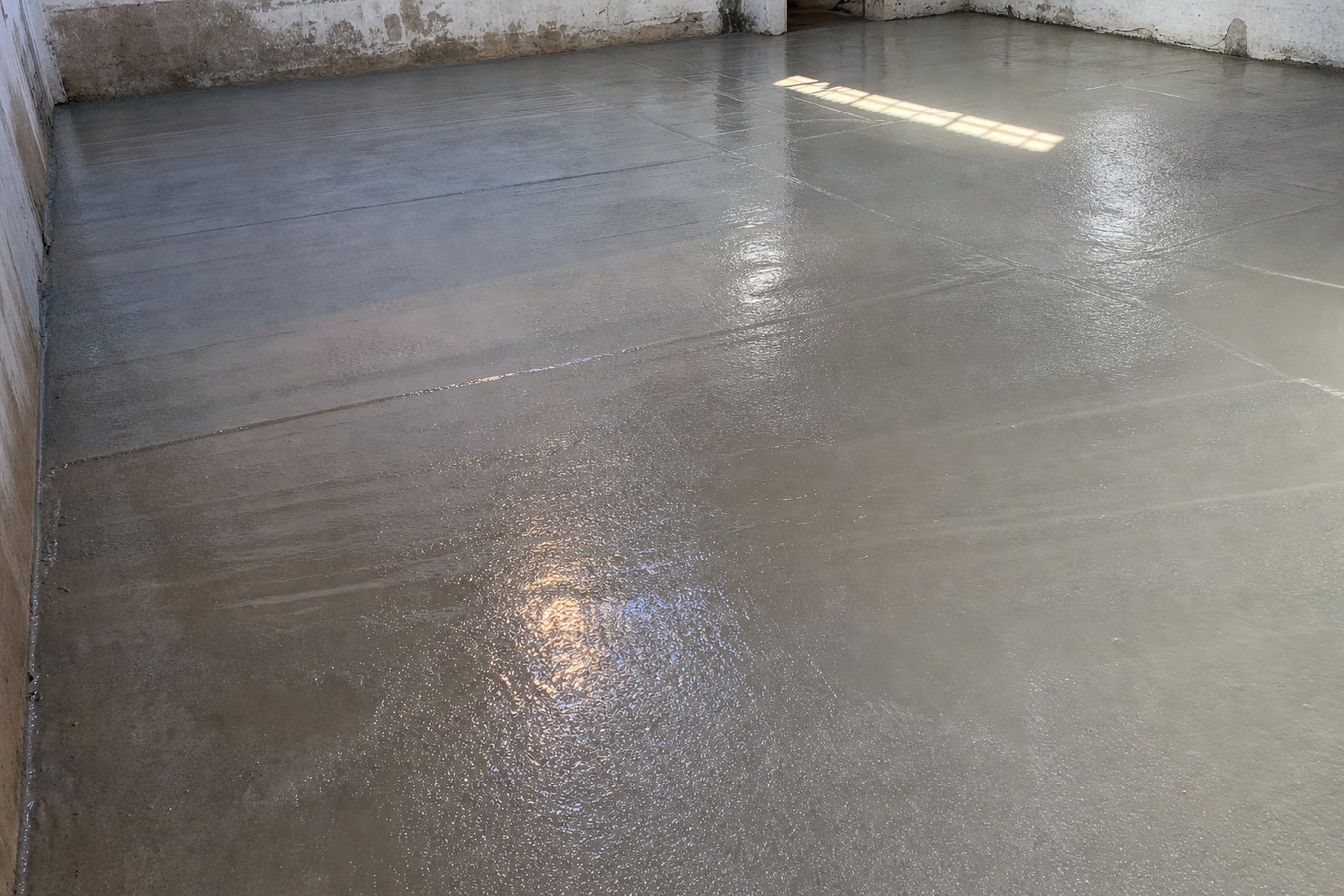
Weatherford heat, clay soil movement, and winter freezes wear down unprotected concrete faster than most homeowners expect. We seal driveways, patios, and floors before those forces take hold.
Concrete sealing in Weatherford applies a thin protective layer over your driveway, patio, or floor that keeps water, oil, and stains from soaking in. Most driveways and patios can be cleaned, prepped, and sealed in a single day, with foot traffic typically allowed after 24 hours and vehicle use after 48 to 72 hours.
Think of sealer as a raincoat for your concrete. Without it, moisture, everyday spills, and the ongoing stress of Parker County clay soil movement work their way into the surface and slowly break it apart. A properly sealed surface causes water to bead up and roll off - and if you pour a small amount of water on your driveway right now and it soaks straight in, the sealer has worn through and you are overdue. For surfaces that also have old adhesive, failed coatings, or surface deterioration that needs to be removed before sealing, pairing the job with concrete grinding and surface preparation is the right first step.
Weatherford has seen strong growth over the past decade, and many homeowners in newer subdivisions have concrete driveways and patios that were poured in the last five to ten years. New concrete still needs to be sealed - it just has not had time yet to show the effects of going without it. Getting it sealed in the first year or two is one of the most cost-effective things you can do to protect a relatively new surface. For concrete that is cracked, resurfaced, or heading toward a decorative finish, concrete resurfacing and overlays combined with sealing gives you both restored appearance and long-term surface protection.
If your driveway or patio has gone from a solid gray to a washed-out, dusty appearance, the surface is drying out and losing its protective barrier. In Weatherford, intense summer sun can cause this fading within just a few years of the concrete being poured. A fresh seal restores the surface and puts a barrier back between the concrete and the UV rays that are doing the damage.
A properly sealed surface causes water to bead up and roll off, the same way water rolls off a waxed car. Pour a small amount of water on your driveway. If it soaks straight in within a few seconds, the sealer has worn through and the surface is unprotected. This is the simplest test you can do yourself, and the result is usually clear.
Weatherford clay soil shifts throughout the year as it absorbs and loses moisture, and that movement often shows up as hairline cracks or chipping along the edges of slabs. These are not always structural problems, but they are entry points for water. Sealing now can stop those cracks from growing into something that requires full repair or replacement.
Dark oil drips from your car, orange rust stains from metal furniture, or tannin marks from wet leaves sitting on the surface are all signs the concrete is absorbing substances rather than repelling them. Bare concrete acts like a sponge for anything liquid that sits on it. Once staining appears, it is a reliable sign the surface has no protection left.
Every sealing project starts with preparation - because surface prep is what determines whether the sealer bonds and lasts, or peels within a year. We pressure wash the surface to remove dirt, mold, and loose material, treat any oil spots with degreaser, and fill cracks before anything else happens. If the existing sealer has not fully worn off, we address that layer before applying a new one. The Portland Cement Association and the Texas A&M AgriLife Extension both note that UV protection and moisture management are the two most critical functions of a sealer in hot, semi-arid climates - both of which describe Weatherford.
We work with penetrating sealers, acrylic sealers, and polyurethane sealers depending on the surface and what you need it to do. Penetrating sealers soak into the concrete and provide protection without changing the appearance - good for driveways and walkways where a natural look matters. Film-forming sealers like acrylics add a slight sheen and enhance color, which many homeowners prefer for patios. For surfaces that also need significant surface work before sealing is possible, concrete grinding and surface preparation gets the floor to a clean, bondable condition first. And for concrete that has deteriorated past sealing alone, concrete resurfacing and overlays restore the surface before a protective sealer is applied.
Suits homeowners who want to protect high-traffic concrete surfaces from oil stains, UV fading, and the stress of clay soil movement.
Suits homeowners with exposed concrete patios that face full Weatherford sun and seasonal moisture swings without any protective layer.
Suits homeowners who want basic protection from oil drips and dusting without a full epoxy coating system.
Suits homeowners in newer Weatherford subdivisions whose concrete is one to two years old and ready for its first protective application.
Parker County sits on clay-heavy soil that expands when it gets wet and shrinks when it dries out. That constant movement puts stress on concrete slabs from underneath and causes surface cracking to develop faster than it would on more stable ground. Sealing will not stop the soil from moving, but it does keep water from getting into those small cracks and making the damage worse with each wet-dry cycle. Combined with Weatherford summers that push past 100 degrees for weeks at a time, an unsealed driveway or patio is fighting two forces at once - UV breakdown from above and moisture intrusion from below. Homeowners in Willow Park and the surrounding area deal with the same soil and climate combination, which is why sealing comes up early in most conversations about outdoor concrete in this part of Parker County.
Weatherford also experiences occasional hard freezes - and while winters here are mild compared to northern states, those freezes matter for concrete. When water gets into tiny surface pores and then freezes, it expands and chips away at the concrete from the inside, a process called spalling. Sealing closes off those pores before winter arrives and significantly reduces the damage a hard freeze can cause. Parker County also grew quickly over the last decade, which means a large number of relatively new driveways and patios that are right at the age window where first-time sealing makes the biggest difference. Homeowners in Granbury and nearby communities see the same combination of newer construction and the same clay soil pressures that make timely sealing a straightforward investment.
We ask about the surface, its size, and whether you have noticed any cracking or staining. Rather than quoting over the phone, we schedule a site visit to see the condition of the concrete in person. You will hear back within one business day of your first contact.
We walk the surface and check for cracks, oil stains, efflorescence, and any old sealer that needs to be stripped. You get a written estimate that separates prep work from the sealing itself - so you know exactly what you are paying for before anyone picks up a tool.
The crew pressure washes, treats stains, fills cracks, and lets the surface dry completely before any sealer is applied. Sealer goes on evenly with no thick puddles or missed spots. Depending on the product, a second coat may follow once the first has set.
Before we leave, we walk the finished surface with you and give you written curing instructions - typically 24 hours for foot traffic and 48 to 72 hours for vehicles. We let you know what to watch for in the first week and how to reach us if anything looks off.
Free estimates, written quotes, no pressure. We respond within one business day.
(682) 412-8936We pressure wash, degrease, and fill cracks before applying any sealer - because a sealer applied to a dirty or contaminated surface will not bond and will peel within a season. Surface prep is what separates a job that lasts two to four years from one that fails within twelve months.
We know Weatherford spring and fall are the best windows for this work, and we will tell you if you are scheduling outside those windows and what adjustments are needed. Sealer applied in the wrong conditions - extreme heat, high humidity, or near-freezing temperatures - will not perform the way it should, and we would rather reschedule than deliver a substandard result.
Every job comes with a written estimate that separates prep work from the sealing itself. You know what you are paying for before anyone starts work, and there are no line items added after the fact. That transparency matters on a job where the prep cost can vary significantly based on the condition of your concrete.
If your concrete has significant structural cracking, heaving, or crumbling edges, we will tell you that sealing over those problems will not fix them. You will get an honest assessment of whether sealing is the right next step or whether repair or resurfacing should come first - not a pitch for whichever option costs more.
Sealing is one of the simplest and most cost-effective things you can do for concrete that is in reasonable condition, and doing it on the right schedule - before damage accelerates - is what makes the investment worth it. Call us or submit a request online and we will take a look at what your surface actually needs.
Restore concrete that has deteriorated beyond what sealing alone can address, then protect the new surface.
Learn MoreA polished and densified interior floor that uses the concrete itself as the finished surface, with no coating that can peel.
Learn MoreSpring booking slots fill up fast - contact us now to lock in a date before the summer heat makes scheduling harder.